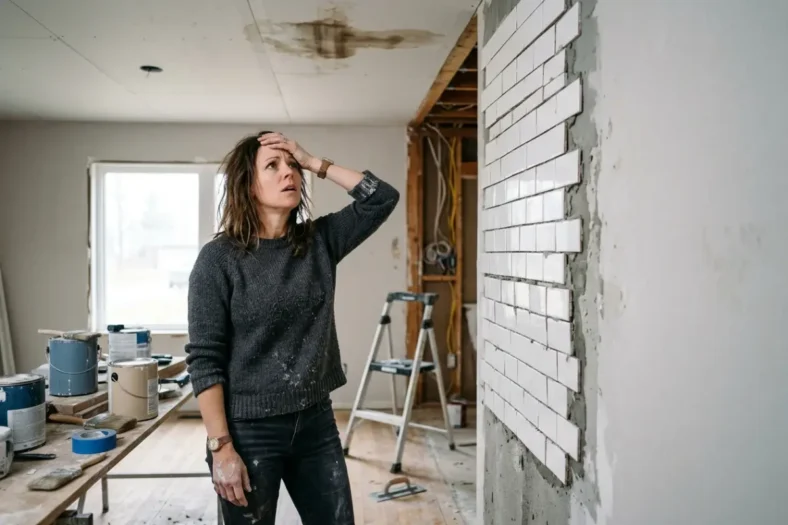
Homeowners pour tremendous time, money, and energy into renovations with the genuine hope of boosting their property’s value. While plenty of upgrades absolutely pay off, others can quietly chip away at what a home is actually worth. Knowing the difference between a smart investment and a costly misstep matters a great deal before swinging a single hammer.
Here’s a closer look at some of the most common renovation mistakes that could end up working against you.
Can Skipping Permits Hurt Your Home’s Resale Value?
Yes. Unpermitted work can lower your home’s value and slow a sale. Appraisers often leave it out of their numbers, and lenders may not fund the loan. Buyers want proof the work is safe and legal. Without permits, you may have to disclose it, cut your price, or fix it first.
One of the biggest pitfalls homeowners fall into is bypassing the permit process to save time or money. Unpermitted work can raise serious red flags during a home inspection, potentially causing deals to collapse or forcing sellers to undo completed projects entirely.
Buyers and lenders want assurance that renovations were done safely and up to code. Cutting corners on the legal side of a project may feel like a clever shortcut, but it tends to lead to expensive consequences further down the road. Don’t let impatience turn a finished project into a liability.
Insurance is another risk. If a fire starts in unpermitted wiring, your insurer might not cover the damage.
Easy-to-Apply Tips
- Call your city or county building office before you start. Ask which parts of your project need a permit.
- Keep every permit and final inspection sign-off in one folder. You’ll want them when you sell.
- Already have old unpermitted work? Ask the building department how to make it legal before you list. If you sell without fixing it, you still have to tell buyers about it.
How Do You Avoid Over-Improving Your Home for the Neighborhood?
Match your upgrades to what nearby homes sell for. Overbuilding happens when you spend more than local buyers will pay back. Check recent sales of similar homes before you commit, and save high-end finishes for areas where the price can support them.
It’s easy to get carried away with high-end finishes, but installing luxury upgrades in a modest neighborhood rarely pays off the way homeowners hope. If a home becomes significantly more expensive than comparable properties nearby, buyers may simply look elsewhere for better value. Real estate professionals refer to this as “overbuilding,” and it’s a surprisingly common mistake among well-intentioned homeowners. Smart renovations align with what the surrounding market can realistically support. Always research comparable home values before committing to major changes.
The numbers back this up. In Remodeling magazine’s 2024 Cost vs. Value data, a minor kitchen remodel recouped about 96% of its cost, while a major upscale one recouped about 38%.
Smart Moves
Why Does Neglecting Your Roof Lower Your Home’s Value?
A worn roof tells buyers that big repair bills are coming. It also lets in water that can damage ceilings, insulation, and the structure underneath. Nearly half of buyers are less willing to compromise on a home’s condition, so some walk away or ask for a lower price. Fixing small roof problems early protects your home’s value.
The roof is one of the most critical components of any home, and ignoring its upkeep can dramatically reduce a property’s appeal and market value. Buyers are often quick to walk away from a home with visible roofing issues, fully aware that repairs or replacements represent a significant financial burden.
A damaged or aging roof can also compromise the structural integrity of the rest of the house, creating pathways for water damage, mold, and insulation problems. Staying current on Austin Roof repair needs helps homeowners protect their investment and maintain buyer confidence when the time comes to sell. Even minor issues left unaddressed can escalate fast, ultimately costing far more than routine maintenance ever would have.
Realtors notice this, too. In NAR’s 2025 report, 37% said sellers should consider a new roof before listing.
Simple Solutions
- Get a professional roof inspection once a year and after major storms, as the Insurance Institute for Business & Home Safety recommends.
- Check your attic for water stains or damp spots. Fix the source fast.
- Keep your gutters clear so water can drain.
- Save every inspection and repair record. Insurers often won’t pay for damage from wear and tear or skipped maintenance, so your paperwork matters.
Why Function Beats Style: Fix the Bones Before the Finishes
It’s tempting to focus entirely on cosmetic upgrades like trendy paint colors, decorative fixtures, or statement walls. Buyers, however, tend to value function just as much as form, if not more. A beautifully staged home with outdated plumbing, poor electrical wiring, or inadequate insulation will still struggle on the market. Investing in the bones of a home, things like HVAC systems, plumbing, and energy efficiency, does more for you than surface-level makeovers. Upgrades found in a home energy assessment can cut monthly energy bills by 5 to 30 percent. When aesthetics and functionality are competing for the same renovation budget, functionality should generally come out on top.
Helpful Strategies
Do Personalized Upgrades Hurt Your Home’s Resale Value?
They can. Highly personal upgrades, like custom built-ins or niche hobby rooms, appeal to fewer buyers. Some buyers will see them as a removal project and ask for a lower price. Neutral, flexible choices attract more buyers and tend to bring stronger offers.
Personal taste is a wonderful thing, though not when it ends up alienating potential buyers. Bold design choices like highly customized built-ins, unconventional room conversions, or niche hobby spaces can limit a home’s appeal to a very narrow audience. What feels like a dream feature to one owner might look like a costly removal project to the next. Neutral, versatile upgrades tend to attract more buyers and generate stronger offers across the board. It’s worth thinking about the broad market rather than personal preferences when deciding what to renovate.
Even paint color matters. In a Zillow survey, bright kitchen colors drew negative reactions, and bright red could cut offers by nearly $1,500.
Practical Advice
- Stick to neutral walls and flooring. Add your personality with things that move with you, like art, rugs, and lamps.
- Choose freestanding shelves over custom built-ins when you can. They’re easy to take out.
- Not sure what buyers want? Ask an agent. Half of Realtors recommend painting the whole home before a sale.
DIY Projects Done Wrong: When Saving Money Costs You More
Taking on projects independently can absolutely save money, but only when the work is done correctly. Poorly executed DIY renovations, whether it’s uneven tile work, faulty electrical connections, or sagging drywall, can actually lower a home’s value rather than raise it. Buyers and inspectors can often spot amateur work fairly quickly, and it raises legitimate questions about what else might have been done improperly. For complex systems or structural changes, hiring a licensed professional is almost always the safer and smarter financial decision. The upfront cost of expertise is usually far less than fixing a botched job later.
You’re not alone if you like to do it yourself. NAR’s 2025 report found that 24% of owners did their whole project themselves, and 23% said they’d use a professional next time.
Smart Moves
- Keep DIY for low-risk jobs like painting. NAR notes that painting is one of the projects most often done DIY.
- Hire a licensed pro for electrical, plumbing, and structural work.
- When you hire someone, get written estimates from several firms, ask for a written contract, and check that the license is current.
- Before you make the final payment, check that the work matches your contract and that you have written warranties.
Your Step-by-Step Plan: Smart Moves Before You Swing a Hammer
Use this quick checklist before you start any project.
- Check with your building department about permits.
- Look up recent sales of similar homes near you.
- Inspect the roof and key systems first: plumbing, electrical, and HVAC.
- Set a budget that fixes the bones before the finishes.
- Choose neutral looks that fit most buyers.
- Hire licensed pros for complex work, and get everything in writing.
What’s the Smartest Way to Renovate Without Hurting Your Home’s Value?
Plan first, then spend. Get permits, match upgrades to your neighborhood, fix the roof and other key systems before cosmetic work, keep designs neutral, and hire licensed pros for complex jobs. Following these five habits protects your home’s value and sets up a stronger sale.
Renovating a home is one of the most rewarding things a homeowner can do, but only when approached with real care and a solid strategy. Avoiding these common mistakes can mean the difference between meaningfully boosting a home’s value and unintentionally dragging it down. Before starting any project, take time to research, plan thoughtfully, and bring in professionals when the situation calls for it. A well-executed renovation not only makes a home a better place to live but also sets up a stronger return when it’s time to sell.
About The Author:
Beth Shamaiengar is a contributing editor at Health Journal. She holds a Bachelor’s degree in Journalism from the University of North Carolina at Chapel Hill and, before joining the Health Journal, was an award-winning writer and editor for 11 years with other publications. She also spent nearly a decade volunteering in PTA leadership roles in local schools, building her skills in marketing, event planning, project management, and communicating with a variety of audiences.